Adrenergic Receptor
Beta Receptor
Adrenergic receptors are a class of G protein-coupled receptors that are targets of the catecholamines, especially norepinephrine and epinephrine. Many cells possess these receptors, and the binding of a catecholamine to the receptor will generally stimulate the sympathetic nervous system. The sympathetic nervous system is responsible for the fight-or-flight response, which includes widening the pupils of the eye, mobilizing energy, and diverting blood flow from non-essential organs to skeletal muscle. There are two main groups of adrenergic receptors, α and β, with several subtypes. α receptors have the subtypes α1 and α2. β receptors have the subtypes β1, β2 and β3. All three are linked to Gs proteins, which in turn are linked to adenylate cyclase. Agonist binding thus causes a rise in the intracellular concentration of the second messenger cAMP. Downstream effectors of cAMP include cAMP-dependent protein kinase (PKA), which mediates some of the intracellular events following hormone binding.
Adrenergic Receptor Isoform Specific Products
All Product Categories
-
Adrenergic Receptor Inhibitors
(267)
View all products
-
Adrenergic Receptor Agonists
(502)
View all products
-
Adrenergic Receptor Antagonists
(547)
View all products
-
Adrenergic Receptor Activators
(45)
View all products
-
Adrenergic Receptor Modulators
(19)
View all products
-
Adrenergic Receptor Degraders
(2)
View all products
-
Adrenergic Receptor Controls
(8)
View all products
-
Adrenergic Receptor Substrates
(3)
View all products
-
Adrenergic Receptor Ligands
(17)
View all products
-
Adrenergic Receptor Related Products (1628)
Related Products (1628)

-
Antibodies (4)
-
Adrenergic Receptor Isoform Comparison
-
Midodrine-d6 hydrochloride
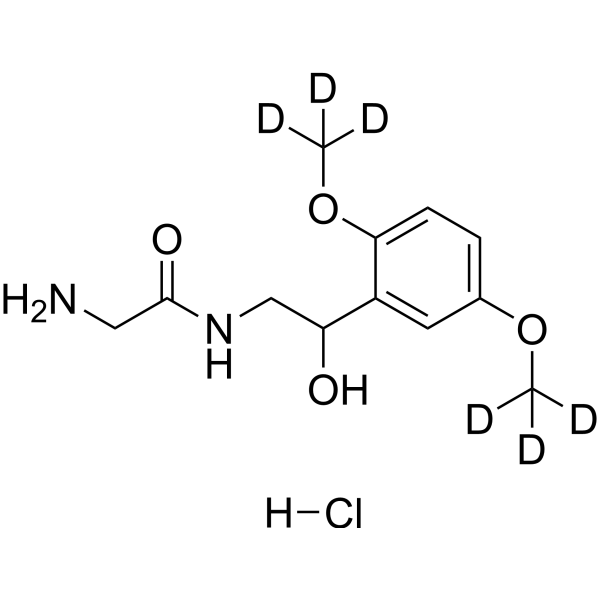 0 ImagesMidodrine-d6 (hydrochloride) is a selective and orally active adrenergic α1-receptor agonist. Midodrine-d6 (hydrochloride) can strengthen vascular contraction. Midodrine-d6 (hydrochloride) can be used for the researches of cardiovascular disease, such as orthostatic hypotension.
-
Centanafadine
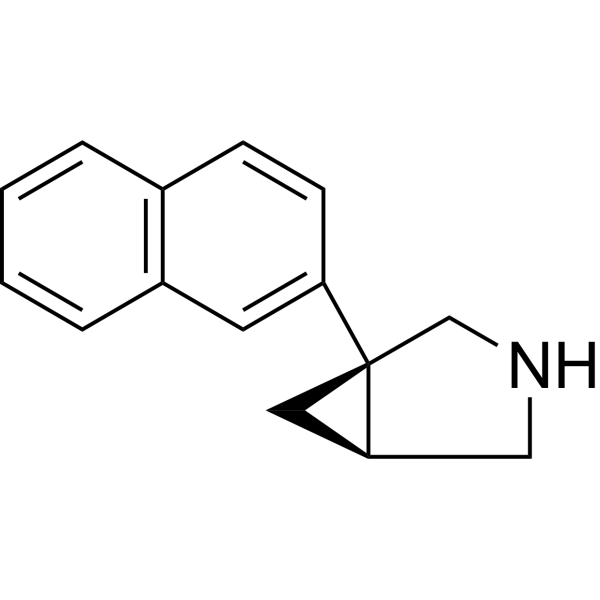 0 ImagesSynonyms: EB-1020Centanafadine is dual norepinephrine (NE)/dopamine (DA) transporter inhibitor, also inhibits serotonin transporter, with IC50s of 6 nM, 38 nM and 83 nM for human NE, DA and serotonin transporter , respectively.
-
(Rac)-Rotigotine-d3 hydrochloride
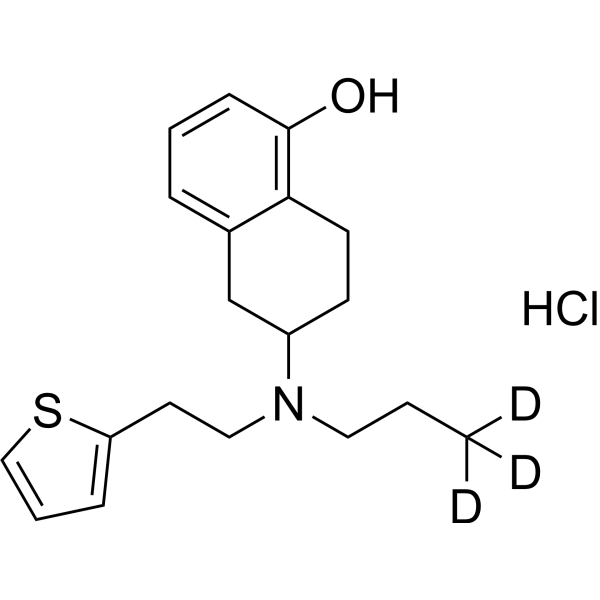 0 ImagesSynonyms: N-0437-d3 hydrochloride(Rac)-Rotigotine-d3 hydrochloride is a deuterium labeled (Rac)-Rotigotine (hydrochloride) (HY-15394). (Rac)-Rotigotine hydrochloride is a racemate of Rotigotine. Rotigotine is a full agonist of dopamine receptor, a partial agonist of the 5-HT1A receptor, and an antagonist of the α2B-adrenergic receptor, with Kis of 0.71 nM, 4-15 nM, and 83 nM for the dopamine D3 receptor and D2, D5, D4 receptors, and dopamine D1 receptor.
-
Bunazosin
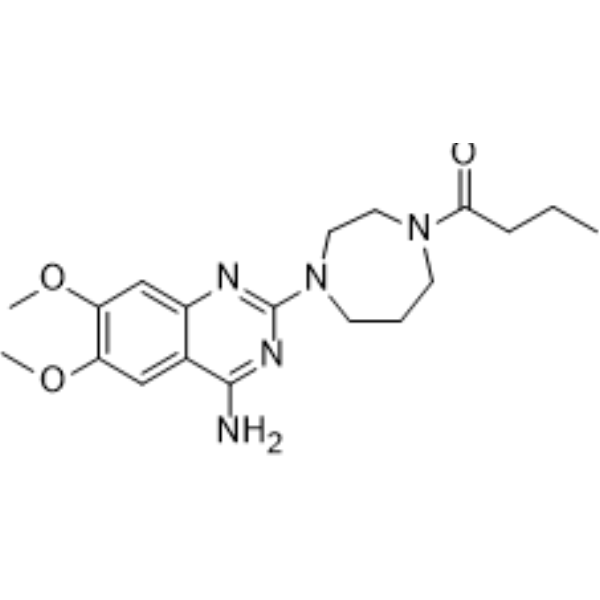 0 ImagesBunazosin is a potent and selective α1-adrenoceptor antagonist. Bunazosin can be used for antihypertensive and ocular hypotensive research.
-
Iloperidone carboxylic acid
 0 ImagesSynonyms: P95-12113Iloperidone carboxylic acid (P95-12113) is the metabolite of Iloperidone (HY-17410). Iloperidone carboxylic acid exhibits good affinity for 5-HT2A receptor with pKi of 8.15, and moderate affinity for adrenergic receptor α1/α2B/α2C.
-
Benoxathian hydrochloride
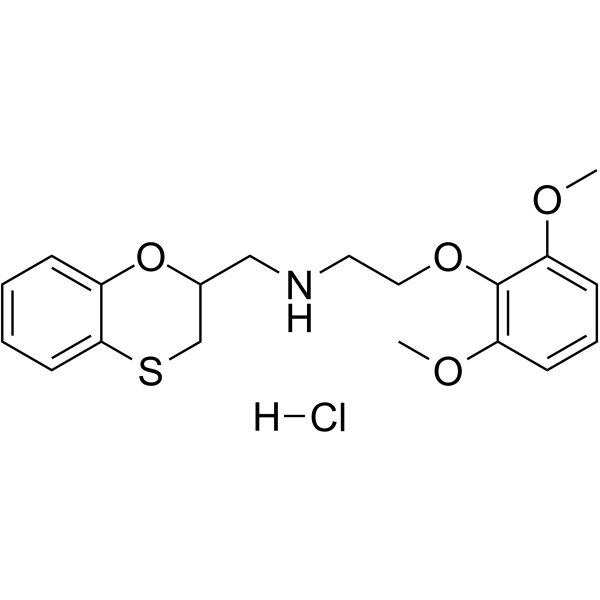 0 ImagesBenoxathian hydrochloride is a potent α1 adrenoceptor antagonist, can be used for researching anorexia.
-
Midaglizole
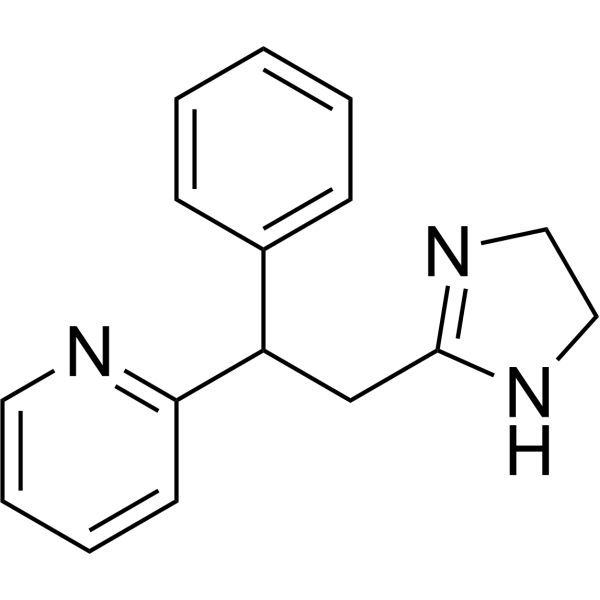 0 ImagesSynonyms: (±)-DG5128 free base; DG5128 free baseMidaglizole ((±)-DG5128 free base, DG5128 free base) is a potent α2-adrenoceptor antagonist. Midaglizole is a hypoglycemic agent. Midaglizole increases blood pressure and reduces blood glucose levels in vivo.
-
(Rac)-Zenidolol hydrochloride
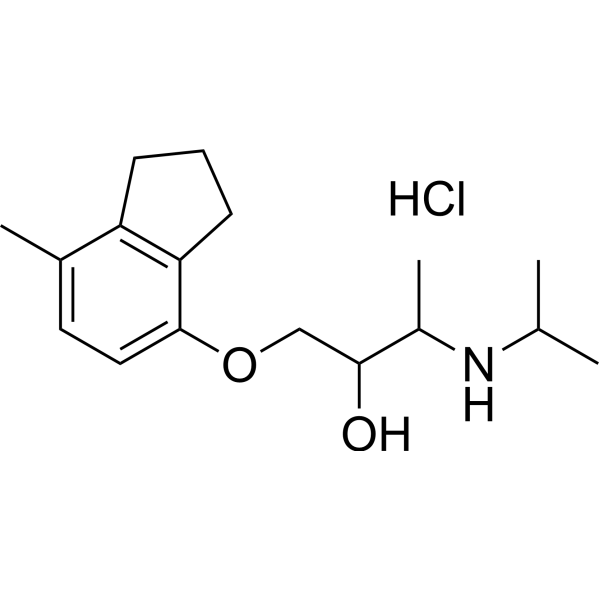 0 ImagesCat. No.: HY-123059CAS No.: 1217094-53-5Synonyms: (Rac)-ICI-118551 hydrochloride(Rac)-ICI-118551 ((Rac)-ICI-118551) hydrochloride is a selective β2-adrenergic receptor antagonist. (Rac)-ICI-118551 hydrochloride can inhibit dendrite ramification of hippocampal neurons in a mouse model of Alzheimer's disease.
-
D-Mannitol-d8
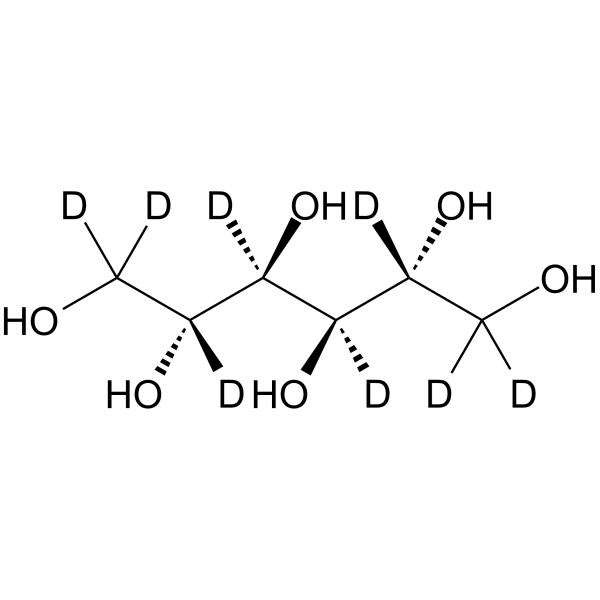 0 ImagesCat. No.: HY-N0378SPurity: 99.86%Synonyms: Mannitol-d8; Mannite-d8D-Mannitol-d8 is the deuterium labeled D-Mannitol (HY-N0378). D-Mannitol (Mannitol) is an oral, resistant sugar widely used in the food and pharmaceutical industries to promote the absorption and retention of calcium and magnesium through cecal fermentation, while acting as a osmotic diuretic to reduce tissue edema. D-Mannitol can enhance brown fat formation, improve insulin effect, reduce blood sugar levels, And through the start the β3-adrenergic receptor (β3-AR), PGC1α and PKA induced by means of white fat cells into brown fat cells. D-Mannitol is commonly used to maintain osmotic pressure between the plant cytoplasm and the culture medium and protect cells when the cell wall is weakened or even removed.
-
RESA peptide
 0 ImagesRESA peptide is a substrate peptide of β-adrenergic receptor kinase (βARK). RESA peptide serves as a substrate for βARK-mediated phosphorylation, and its N-terminal acidic residues enhance phosphorylation efficiency and substrate binding capacity.
-
RS-79948-197 hemihydrate
 0 ImagesCat. No.: HY-101338ASynonyms: RS-79948 hydrochloride hemihydrateRS-79948-197 hemihydrate is a non-imidazoline α2-adrenoceptor antagonist. RS-79948-197 hemihydrate shows Kd values of 0.42 nM, 0.18 nM, 0.19 nM, 0.60 nM, 0.46 nM, and 0.77 nM for rat α2A, rat α2B, rat α2C, human α2A, human α2B, and human α2C, respectively.

-
ICI 89406
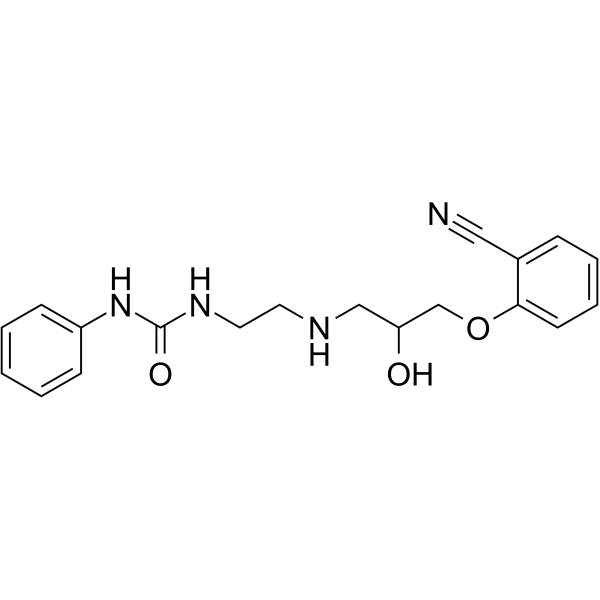 0 ImagesICI 89406 is a selective β1 adrenergic receptor antagonist amenable to labelling with positron emitters, for PET.
-
Pimozide-d4
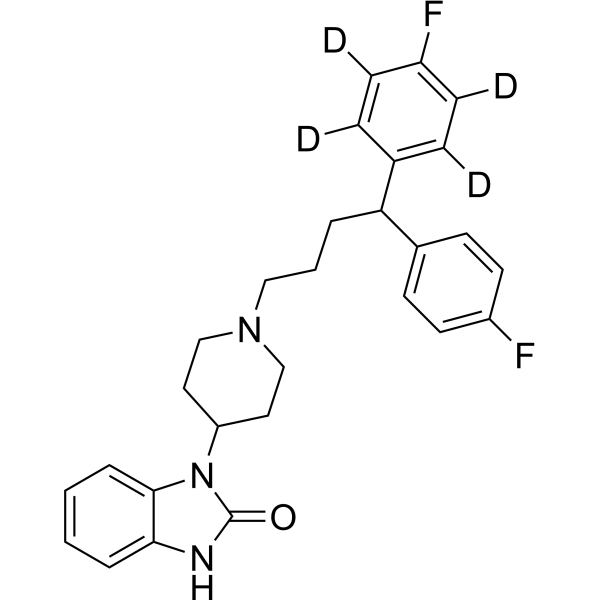 0 ImagesSynonyms: R6238-d4Pimozide-d4 is a deuterium labeled Pimozide. Pimozide is a dopamine receptor antagonist, with Kis of 1.4 nM, 2.5 nM and 588 nM for dopamine D2, D3 and D1 receptors, respectively, and also has affinity at α1-adrenoceptor, with a Ki of 39 nM; Pimozide also inhibits STAT3 and STAT5.
-
Phenylephrine-2,4,6-d3 hydrochloride
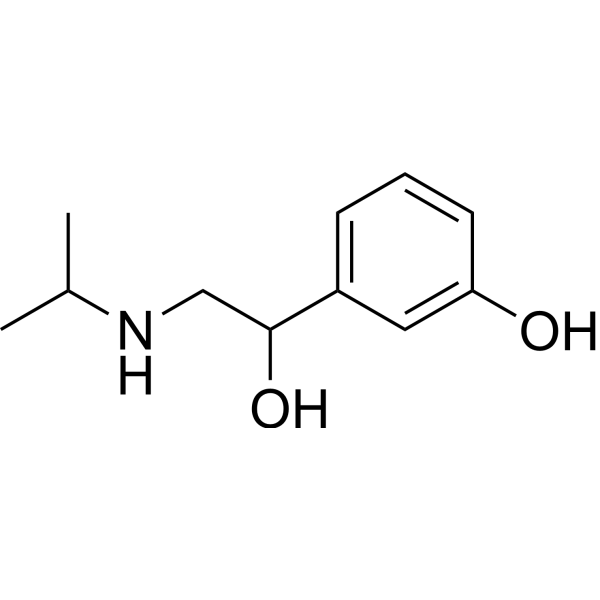
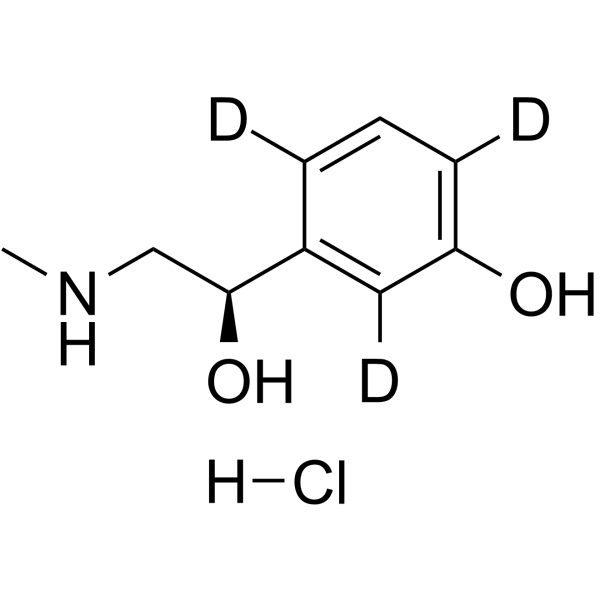 0 ImagesSynonyms: (R)-(-)-Phenylephrine-2,4,6-d3 hydrochloride; L-Phenylephrine-2,4,6-d3 hydrochloridePhenylephrine-2,4,6-d3 (hydrochloride) is the deuterium labeled Phenylephrine hydrochloride. (R)-(-)-Phenylephrine hydrochloride is a selective α1-adrenoceptor agonist with pKis of 5.86, 4.87 and 4.70 for α1D, α1B and α1A receptors respectively.
-
Urapidil-d3
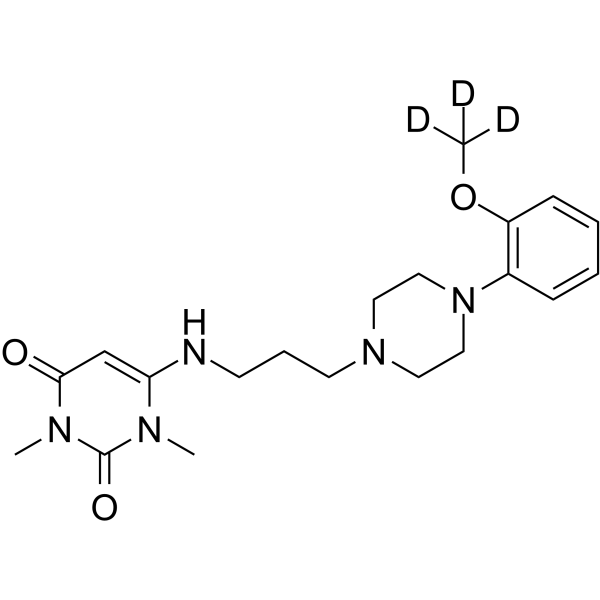 0 ImagesUrapidil-d3 is the deuterium labeled Urapidil. Urapidil is an α1 adrenoreceptor antagonist and a 5-HT1A receptor agonist.
-
Amosulalol
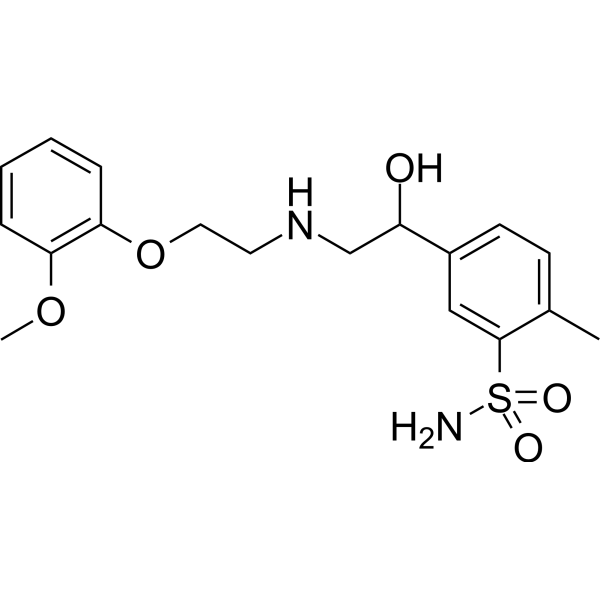 0 ImagesSynonyms: YM 09538Amosulalol (YM 09538) is an orally active and dual inhibitor of α1/β1-Adrenergic Receptor. Amosulalol exhibits antihypertensive activity via α1-Adrenergic Receptor inhibition. Amosulalol decreases reflexogenic increases in heart rate and plasma renin activity (PRA) via β1-Adrenergic Receptor inhibition in spontaneously hypertensive rats (SHR).